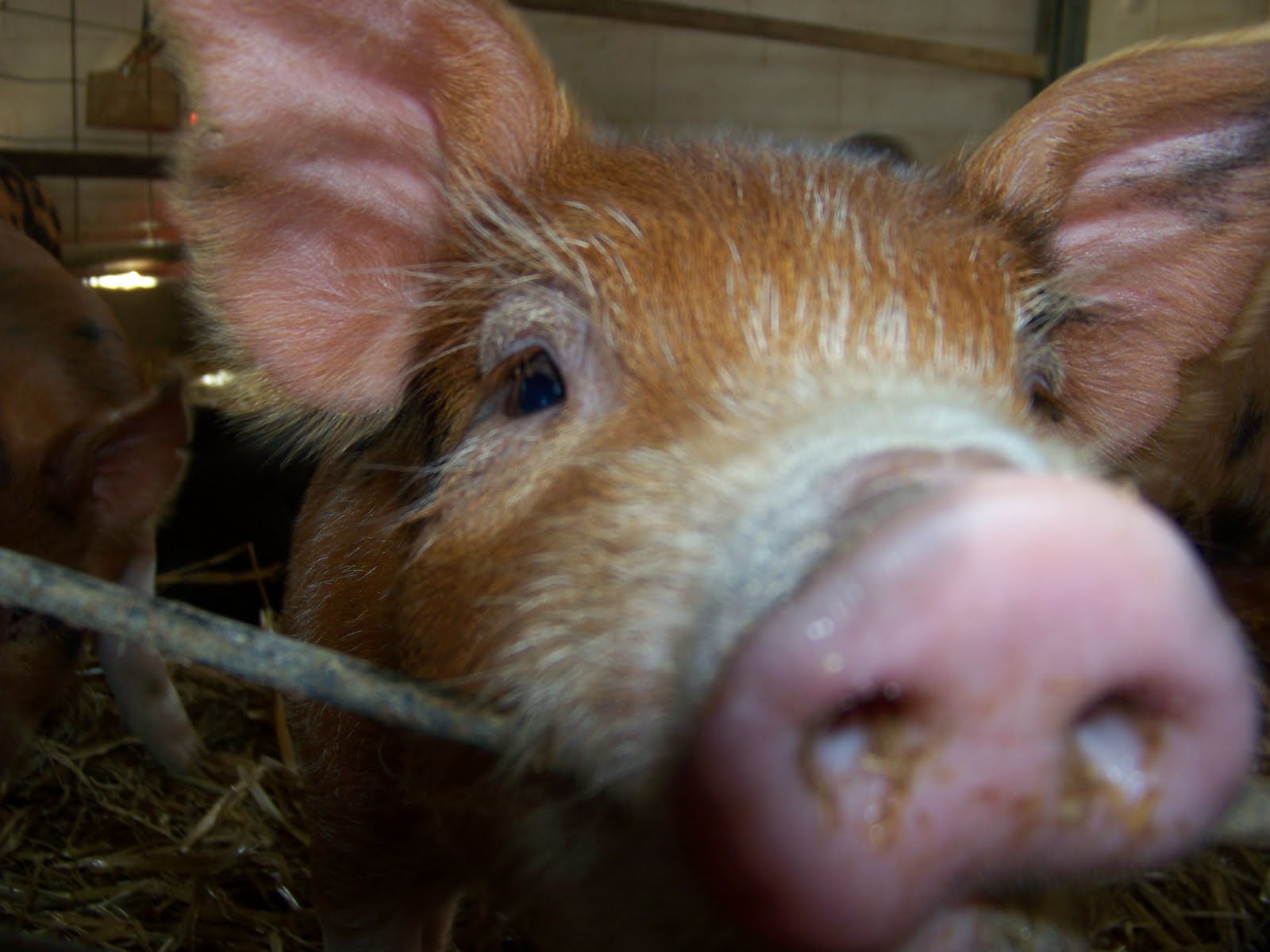
Photo series 98/365
 Photo series 99/365
Photo series 98/365Photo series 99/365
Photo series 99/365
Photo series 98/365Photo series 99/365
 Photo series 83/365
 Photo series 84/365
 Photo series 85/365
 Photo series 86/365
 Photo series 76/365
 Photo series 77/365
 Photo series 78/365
 Photo series 79/365
 Photo series 70/365
 Photo series 71/365
 Photo series 72/365
 Photo series 73/365
 Photo series 74/365
 Photo series 75/365
 Photo series 66/365
 Photo series 67/365
 Photo series 68/365
 Photo series 69/365
 Photo series 62/365
 Photo series 63/365
 Photo series 64/365
 Photo series 65/365
 Photo series 40/365
 Photo series 41/365
 Photo series 42/365


Their shoulders are turned in, they lean towards each other, their arms are gently placed on the other, and the woman's head rests against her partner's. This piece gives us a clear shot of the brain, spinal cord, and lungs, yet is so tender. The physical and emotional fuse, as the piece conveys something more than muscles and bones.
The idea that these bodies used to be living and breathing freaks a lot of people out. The show brings up the question: what makes us who we are? All that constitutes our personality is not the difference in the thickness of our blood vessels or the shape of our gall bladders. Our bodies are incredible machines. But without consciousness, without perception, without memory and the ability to sense and make sense of the world around us, our bodies are just vehicles.
Anatomia del corpo humano, drawn by Juan Valverde de Amusco in 1559, shows a man holding his skin. According to Wikipedia, "The skin's distorted face has the appearance of a ghost or a cloud, suggesting that [his] spirit has been separated from, or peeled off of, the fleshy inner man." Gunther von Hagen recreated this anatomical sketch in an attempt to show that the skin is the largest organ in our body.

I enjoy controversy. I welcome anything that makes me think. Of course, this exhibit has received negative attention because of the "grotesque" manner in which our innards are displayed, the way some of the bodies were acquired (supposedly all the bodies were from consenting donors, although the copy-cat shows have been accused of using Chinese bodies without permission of the person and their family), and in many religious contexts the body is considered sacred and must be buried after death. Antigone, anyone? People were also upset when two bodies were positioned as if they were having sex, and museum visitors were uncomfortable with a pregnant woman on view, as well as a few fetuses in different stages of development. The pregnant woman would have been fascinating to see, but she was not at the exhibit that I went to. A few of my friends that went to Body Worlds said that she was the only body that made them queasy.
This show was one of the best things I've done this summer. I am finally able to piece together what I've learned from drawings and lecture and I can visualize all of the gushy crap inside of us. The educational value of the show was reason enough to buy a ticket, but the artful presentation made each piece even more beautiful.
"The older I get, the more I realize that death is normal and that it is life that is exceptional," said Dr. von Hagens. "I hope this exhibition will encourage people to strive to live with inspiration every day throughout their lives."
 Orange Hawkweed
 Dandelion
 Oxeye Daisy
 Foxglove (pictured: the anther)
 Sweet Cicely
 Hop Sedge
 Dame's Rocket
 Pussy-toes